Canadian Company Delighted to Announce The Successful Rollout of An Innovative Project To Benefit A First Nations Community

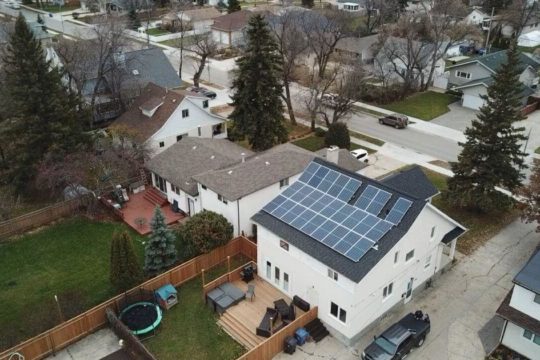
WINNIPEG, Canada - Powertec Solar Inc., an innovative and forward-thinking solar company based in Winnipeg, Canada, is delighted to announce the successful completion of their latest project designed to help a first nations community with their energy needs and requirements. 


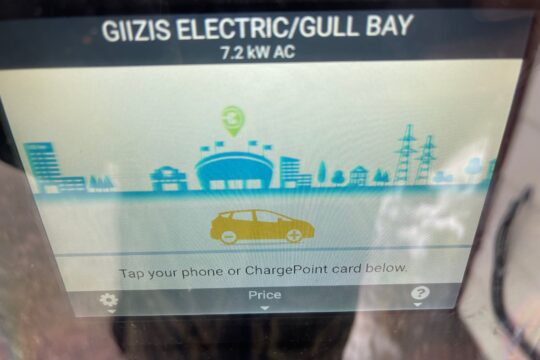
Kiashke Zaaging Anishinaabek - (Gull Bay First Nation ) is located in the Thunder Bay District in northwestern Ontario, Canada. It is approximately 175 kilometres north of Thunder Bay, Ontario, on Highway 527 on the western shore of Lake Nipigon. Due to its remote location, the community obtains its electrical power from diesel generators. The community is committed to being a leader in clean technologies for future generations and already has its first electric vehicle. However, they were fully aware of the irony that charging an electric car using diesel-generated power presented, which is why they approached Powertec Solar for a more environmentally friendly solution. 


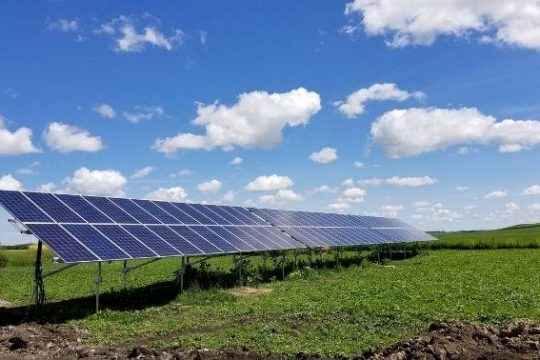
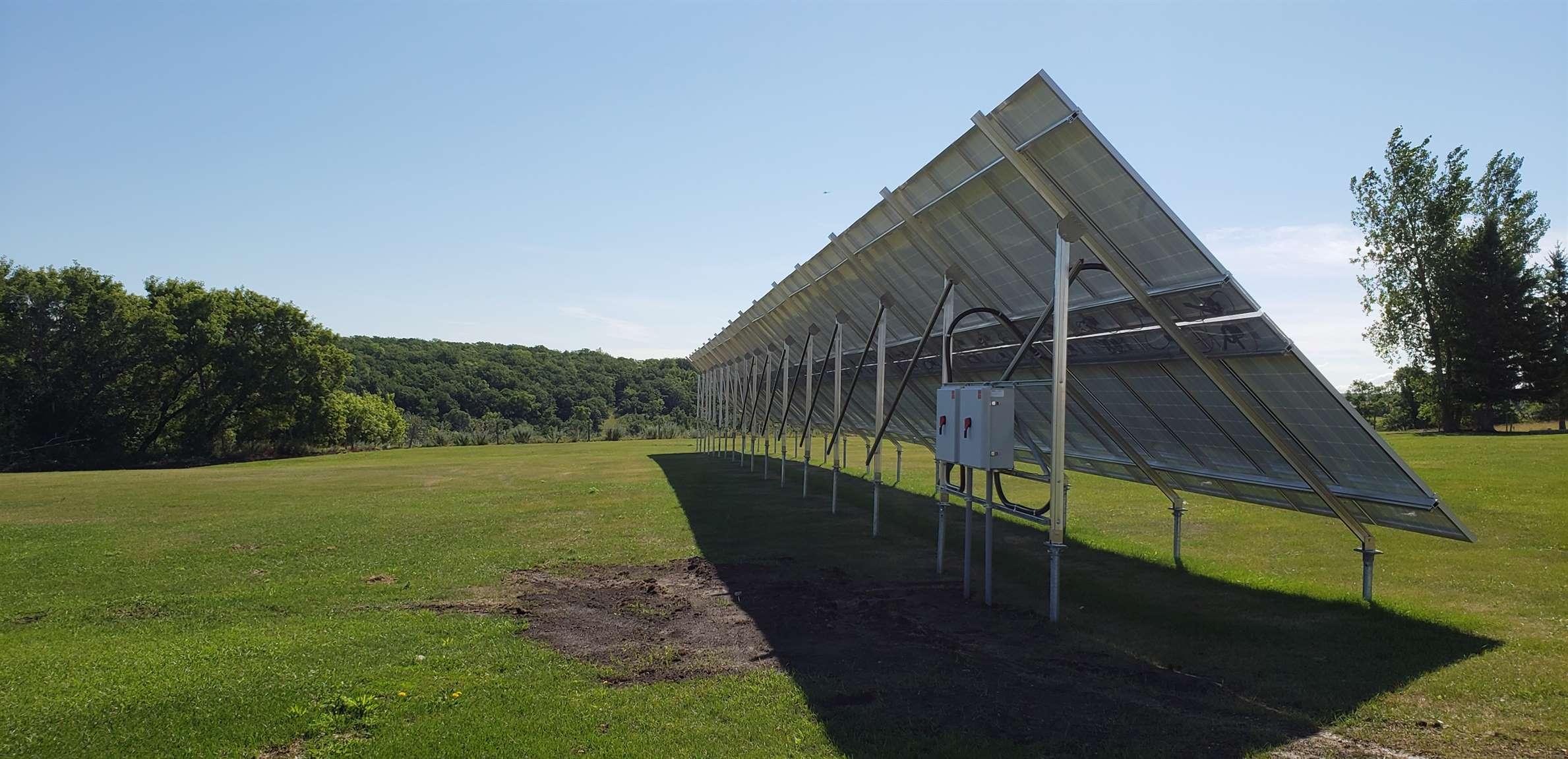
Powertec Solar designed and installed a system specifically matched to the power needs and requirements of the Kiashke Zaaging Anishinaabek community. The system generates sufficient energy, with the added benefit that Powertec Solar can remotely monitor site production, charging conditions, and battery levels to ensure optimum system functionality. 


“This was both an exciting and slightly daunting project for Powertec Solar due to the remoteness of the installation,” said Jacob Kettner, a spokesperson for Powertec Solar. “However it is also the perfect use case study for solar power, which is why we were so enthused about getting involved. The entire operation and installation went smoothly, and so far, it is proving to be mutually beneficial for both Powertec Solar Inc. and the local community. This is, in our opinion, the future of the energy market, and Powertec Solar is delighted to be at the forefront of this burgeoning industry.” 


Powertec Solar is a locally owned and operated company based in Winnipeg. Its mission is to provide high-quality solar panels and services to its clients at affordable prices. Not every home or commercial building is a good fit for solar panels. They make sure to do a complete feasibility analysis for all potential clients before moving forward with a job. Not only does this help determine whether their clients will see a positive return on investment from a solar panel install, but it also helps identify what type of products are required. For more information about the company, their products, and the services they provide, visit their website at https://powertecsolar.ca.

Cost Of Installing An EV Charger At Home

If you’re ready to commit to greener, cleaner transportation, an electric vehicle is the way to go. With an electricity-powered vehicle, you can say goodbye to gas station stops and rising fuel rates. But have you considered how you’ll charge your electric vehicle?

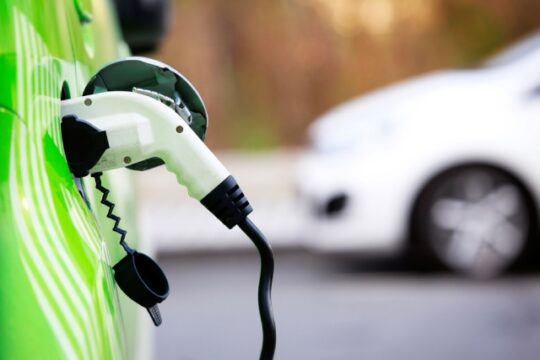
To make the most out of your EV, you’ll need a vehicle charging station at home. It’s a convenient and cost-effective way to charge your car. You can refill your car battery just like you charge your phone or laptop; simply plug in the vehicle, and let it fill up for a few hours.

If you’re starting to plan your EV charger installation in Winnipeg, you’ve come to the right place. One of your first questions will be: how much will it cost?

The total cost of installing an EV charger will vary based on a few things, like:

Home charging stations (also known as electric vehicle supply equipment, or EVSE)  keep your vehicle fully charged, so it will be ready whenever you need it. At Powertec Solar, we install a range of home charging stations. Here’s what factors into the cost of installing an EV charger:


What Are The Different Levels Of EV Chargers?

How fast do you want your vehicle to charge? Depending on what you’re looking for, you have several charger options to choose from.

The level of charging station you install will affect the overall charging time of your electric vehicle. Here’s what to look for:


Level 1: As far as EV chargers go, this one is the most basic; it plugs into any standard 110-volt outlet. That means it can be used with a regular outlet. No special installation is required. With most electric vehicles, your purchase will come with a Level 1 charger.

This is the most affordable option, but it also has the longest charging times. It can take up to 24 hours to fully charge your vehicle. Level 1 chargers are useful when you’re in a pinch (if you run out of battery power when you’re out and about), and you need to charge your car. But due to slow charging times, we recommend the next level for home charging stations.

At home, you want something faster and more efficient. For that, look for the next type of charger:


Level 2: Level 2 EV chargers come at a higher cost, but faster charging times are the payoff. To illustrate how much faster they are, consider this: Level 1 EV chargers give 6-13 km per hour (4-8 miles/hour) of charging time, while Level 2 EV chargers provide up to 48 km (30 miles) of driving range per hour. That means you can charge your electric car in 2-5 hours.

Level 2 charging stations must be used with a 240 volt outlet. This charging station requires an installation from a licenced electrician.

We recommend Level 2 electric vehicle chargers for most homeowners. You will need an electrician to upgrade your electrical outlet and install the charger, but the time you save charging will certainly be worth it.


Level 3: If you’re looking for the fastest charging times on the market, a Level 3 EV charger is what you need. These chargers require a 480-volt outlet. You can use a Level 3 to charge multiple electric vehicles at once.

With a Level 3 electric car charger, you can fully charge your electric car in an hour or less. Most homeowners don’t need Level 3 chargers; these are more suitable for a commercial use or at a public charging station.


What Are The Different Types Of EV Chargers?

There are two main types of EV chargers: plug-in chargers, and hardwired chargers. Plug-in charging stations connect to a 240 volt power outlet. A hardwired charging station is connected directly to an electrical panel (instead of a power outlet).

Some electric vehicles require chargers that are specific to that brand. At Powertec Solar, we install the following brands of EV charging stations:

Tesla

Designed specifically for Tesla vehicles, these chargers are fast and efficient. You need a specific Tesla charger for your Tesla vehicle; otherwise, you’ll need to use an adaptor with it.

Porsche

You can’t beat the convenience of having a charger at home. Monitor your battery status using the Porsche Connect app, which helps you plan your trips. You’ll receive alerts whenever your battery is running low.

ChargePoint

If you’re looking for a high-end EV charger, this model is what you need. You can monitor the battery charge of your car via an app. While you’re on the go, you can use the app to find nearby charging stations. ChargePoint EV chargers are Energy Star certified, which makes them even more environmentally friendly.


What Affects The Cost Of Your Electric Vehicle Charging Station?

Installation costs will vary depending on a few things. First, consider the current electrical capacity of your home. Are the electrical systems equipped to power a 240 volt outlet? In most cases, you’ll need to upgrade your home’s electrical service; otherwise, you might blow the breaker box.

Do you need to acquire any permits for the installation? Given the high voltage of a Level 2 charger, you may need a permit to have one installed at your home. By working with certified EV charging station installers, you can ensure that all the work is up to code.

Finally, be sure to work with a certified and licenced electrician. Electrical work is not something you should leave to chance. For your safety, and to prevent any potential fire hazards, always work with an experienced electrician.


Best Places To Install Your EV Charger

In a place as cold as Winnipeg, it’s best to install your EV charger indoors—ideally, inside of a garage. We suggest having your charging station wired directly in your attached garage.

Ideally, you want your EV charger to be in the same spot that you park your electric vehicle. You want the charging wire itself to have some slack; if it’s pulled too tightly, it could pose a safety hazard.


Schedule An EV Charger Installation For Your Home Today

At Powertec Solar, we offer EV charger installations in an attached garage for $1999. These chargers range from $700 to $1000 to purchase, and installation is on top of that.

We’re certified to install EV chargers for popular electric cars, including Tesla and Porsche. Powertec Solar is a ChargePoint partner; we can install Home Flex Level 2 chargers in your residence.

With an electric vehicle, you’ll never have to pay for gas again. Ready to add an EV charger to your garage? We can help. To request a quote, contact Powertec Solar today.

How To Get Your Electric Car Rebate

Electric cars haven’t always been affordable. But gas prices keep rising, and so do the costs of our carbon emissions.

Our decisions directly impact our environment, from the products we buy to the cars we drive. As consumers, it’s our responsibility to make greener choices.

You want to do your part to reduce your carbon footprint and prevent climate change. Maybe you’ve always wanted to buy an electric vehicle, but the cost held you back. Did you know that there are federal and provincial rebates for EVs?

In Canada, you can receive up to $5,000 for the purchase of a new electric vehicle. With this rebate, electric vehicles just became a lot more affordable!

Ready to swap out your gas-guzzling car for one that’s completely electric? Here’s what you need to know:

About iZEV

iZEV, which stands for Incentives for Zero-Emission Vehicles, was launched in May 2019. It’s a federal program that aims to provide consumers with financial aid to purchase electric vehicles.

First, let’s clear up what a zero emission vehicle is. It’s any car that doesn’t produce tailpipe emissions. Any battery-electric vehicle, hydrogen fuel cell vehicle, or plug-in hybrid electric vehicle is considered a ZEV. E-bikes, motorcycles, and used vehicles are not eligible.

Want to know how to qualify for this rebate? You must:

If the vehicle has 6 or fewer seats, the Manufacturer’s Suggested Retail Price (MSRP) must be less than $45,000. If the vehicle has 7 or more seats, the MSRP must be less than $55,000.

Have you been thinking about buying an electric vehicle? Now’s the time. You can purchase or lease an electric vehicle and receive up to $5,000 towards the final cost. Depending on where you live, you can combine this federal initiative with other provincial rebates.


Which electric vehicles are eligible?

Curious about which specific vehicles are eligible for this rebate? You can view the list here. Keep in mind that this list is continually updated; if there’s a vehicle you have your eye on, be sure to check back often.

Depending on the type of electric vehicle you purchase, the incentive rebate will vary. A longer-range plug-in vehicle (with a battery capacity of at least 15 kWh) is eligible for up to $5,000. A shorter-range electric vehicle (with a battery capacity of less than 15 kWh) is eligible for up to $2,500.


How many vehicles can I purchase?

As an individual, you’re eligible to use this incentive once a year (until funding runs out or the program ends).


When does this rebate end?

Currently, the iZEV program is scheduled to end on March 31, 2022. It may end earlier if funding runs out.


Applying for your rebate

Here’s another great thing about this rebate: it’s applied at the point of sale. That means you don’t need to wait to be reimbursed; you’ll receive the funding as soon as you purchase the vehicle.

The incentive amount is deducted from the purchase price after taxes and fees are applied. It’s included in the lease agreement of the bill of sale. After you purchase your vehicle, the car dealership will send all the relevant documents to the government to be reimbursed.


Which provinces and territories have a rebate program?

By combining the federal rebate with provincial programs, you can save even more on your next EV purchase. Here’s how you can use EV rebates across Canada:


Manitoba

Currently, Manitoba does not have a provincial rebate for electric vehicles. However, residents of Manitoba still qualify for the federal iZEV program.


British Columbia

If you’re interested in a home charging station, you should look into the British Columbia “Home EV Charger Rebate” program. You can get a rebate of up to $350 for installing a charging station at your residence.


Yukon

Do you live in Yukon? With the provincial government’s Clean-Energy Rebate, you can receive a $5,000 rebate for EVs. You can also apply this rebate retroactively to any vehicles purchased after November 14, 2019. Each resident is eligible for 2 rebates as long as the program runs.


Prince Edward Island

If you live in this coastal province, then you’re in luck; it offers one of the best rebate programs for zero emission vehicles.

The Electric Vehicle Incentive gives residents of Prince Edward Island up to $5,000 for a new or used EV. You can even combine this incentive program with the government rebate for up to $10,000 of savings, and get a free Level 2 Charging Station (you’ll just need to cover installation costs).


Saskatchewan

In SK, you can use the iZEV federal rebate towards your EV purchase. Any resident of Saskatchewan can use this program to receive up to $5,000 off the purchase of a new electric vehicle.


Newfoundland & Labrador

With the Electric Vehicle Accelerator incentive, residents of this province can receive $2,500 for an EV purchase; this can be used in conjunction with the iZEV incentive.


Ontario

If you’re looking for a used vehicle rather than a brand new one, the Ontario Used EV Incentive will grant you $1,000 for your purchase. And if you want to recycle your former gas car while you’re at it, the Scrappage Incentive will provide you with $1,000. Combine these incentives for up to $2,000 towards your used electric car.


Quebec

With Quebec’s New Vehicle Rebate, you can receive up to $8,000 for your next electric vehicle. The MSRP must be less than $60,000 to qualify.


New Brunswick

NB’s rebate program can be used for new or used electric cars. With the Plug-In NB rebate, you can receive up to $5,000 for new EVs and $2,500 for used models. By combining both provincial and federal vehicle rebates, you’ll get up to $10,000 towards your purchase.


The future of the automobile industry is electric. With provincial and federal rebates, more Canadians are choosing EVs than ever before. Use these incentives to keep the environment (and your wallet) green.

If you have any questions about applying for an electric car rebate in Canada, contact Powertec Solar. We install home EV charging stations in Winnipeg. For more information, call us today.

How To Use The Canada Greener Homes Grant For Solar


Even though many homeowners are interested in switching to solar, one of the biggest barriers has always been the setup cost. 

This year, Canada has released the Greener Homes Grant. It’s intended to help homeowners fund projects that increase the energy efficiency of their houses.

The goals of this grant are twofold:

Interested in applying? To qualify, you must provide proof that you own your home. Newly built homes are not eligible for this grant, and only one grant is available per household. 

Although details are still emerging, we’ve assembled everything that we know about the grant so far, and how you can use it to fund your solar installation:


What is Included in this Grant?

A total of $5,600 can be reimbursed to Canadians who are successful with their grant application. Of that money, $600 can be used for planning the project with an expert or home evaluator. The evaluator must be an NRCan-registered energy advisor.

The grant is designed to reimburse homeowners after the project has reached completion—you’ll need to pay for and complete the project before you receive the grant money. Be sure to document all your expenses in detail! It may take up to one month to receive the money after the project and the following evaluation are complete. 

A complete list of eligible retrofits is available online. On that list, you’ll find a section with details about how you can fund your solar installation.


How Do I Use the Canada Greener Homes Grant for Solar?

If you’ve always wanted to make the switch to solar, now is the time. One of the eligible retrofits for this grant is “Renewable energy”, which covers the installation of photovoltaic solar panels for generating electricity. Homeowners can receive the full $5,000 towards their project, along with an additional $600 for pre and post-evaluations.

To be eligible for this grant, you must first schedule a home evaluation with an energy advisor. There are a few other requirements, which include:

Along with the purchase and installation of your PV panels, you can also use a portion of the grant money for resiliency measures. One option is to purchase batteries for your solar panel setup, an expense that the incentive covers up to $1,000 of when combined with another energy efficiency upgrade.

Even though $5,000 won’t cover the entire cost of a solar installation, it gives a starting point for those who’ve been on the fence about solar. The grant makes this eco-friendly upgrade more accessible to homeowners across Canada.

Not only will the Greener Homes Grant cover a portion of your costs, but when you go solar, you’ll enjoy monthly savings on your energy bills. This can offset the costs that aren’t covered by the grant. 


An Interest-Free Loan

In addition to the grant, the Canadian government announced that it will also make up to $40,000 available to homeowners for deep home retrofits.

Unlike the grant, this money will not be reimbursed; homeowners will be required to pay it back. However, they won’t need to pay any interest on the loan. Up to 200,000 homeowners can apply for this loan.

This eliminates yet another barrier that prevents homeowners from setting up solar—with an interest-free loan, they can afford the initial cost of setting up a PV system and pay it off over time.

More details are expected to come out about this loan in the next few months.


The Canada Greener Homes grant benefits everyone: it helps homeowners afford solar, it makes the planet a greener place, and it helps Canada reduce their greenhouse gas emissions.

Demand for this grant is high nationwide. So far, it’s estimated that over 30,000 Canadians have applied for the Canada Greener Homes Grant, and up to 700,000 grants are available. The grant is open for applications for the next seven years (or until the maximum number of applicants has been reached). 

If you’re thinking about using this grant to install a solar system, now is your chance. Get in touch with us to learn about how you can set up solar for your home.

The Difference Between Off-Grid & On-Grid Solar Energy


The idea of producing your own electricity is undeniably appealing; finally, you won’t need to pay monthly bills for your energy usage! But after you set up a solar system, you might find that it’s more beneficial to stay connected to the grid. 

When you’re setting up a solar system, you need to decide whether you want to tie your setup to the grid or generate electricity independently from it. 

There are a few factors to consider when making your decision. We’re going to explain the differences between these two types of solar systems:


Off-Grid Solar Systems

If you’re interested in total self-sufficiency, an off-grid solar system will certainly appeal. With this setup, you’ll rely entirely on your solar panels to fulfil your energy needs. You won’t pay a dime to utility companies to power your home, business, or industrial property.

When setting up an off-grid system, it’s particularly important to calculate your energy needs precisely. You must ensure that your PV panels can generate enough power for your lifestyle because you can’t draw from the grid when you’re running low. Any excess energy you generate will feed into your battery—since you aren’t connected to the grid, you have no way of selling it back to utility companies.

It’s imperative to connect a battery for backup energy storage when you’re running an off-grid system. Without it, you won’t have any power to use at night time. Setting up a battery system can be expensive, but a backup system allows you to store power when you need it. Use a charge controller to protect the battery from overcharging.


On-Grid Solar Systems

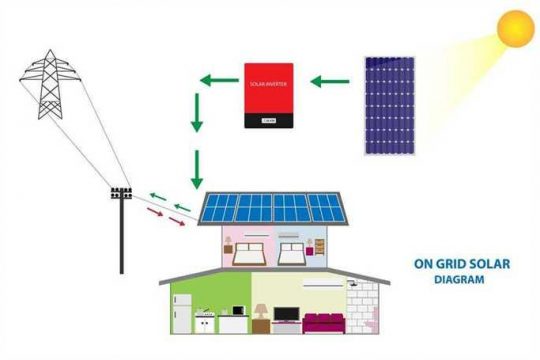
Also known as grid-tied or grid-interactive setups, on-grid solar systems let you generate your own electricity while drawing from power lines when needed.

If there are several cloudy days in a row, you might run out of power when you need it most. On-grid systems let you draw power from Manitoba Hydro when you’re in short supply of it. You won’t have to worry about power shortages on shady days.

Even if you have an on-grid system, you may still choose to have a battery installed. This comes in handy during extreme weather events that damage power lines or other outages. When power lines are being repaired, on-grid solar systems will be disconnected to prevent any safety hazards for the workers. But with a battery, you will still have a reserve of electricity to draw from.

In Manitoba, there is a net billing program. You can sell back excess power to Manitoba Hydro for a set price. However, this is not a particularly profitable system; it helps cover the cost of the power you use from Manitoba Hydro, but nothing more. It’s best to install solar panels that are properly sized for your property so that your energy output can meet your needs.


Whether you choose to go with an off-grid or on-grid system, solar can help you minimize your carbon footprint and lower the cost of your utility bills.

Are you still unsure about which setup is right for your solar panels in Winnipeg? Feel free to contact Powertec Solar to ask any questions you might have. We can provide a free solar energy feasibility analysis for your property. Get in touch with us today to learn more.

How Big Is Your Carbon Footprint?

Climate change is real. The consequences of climate change are unpredictable, but one thing is for sure - if we keep going down the same track we’re on now, the results will be devastating. Loss of life. Trillions in economic damage. Climate refugees. 

We don’t want to be all doom and gloom, but it’s important to remember that the stakes are very real. We aren’t powerless. By better understanding what a carbon footprint is, how big your carbon footprint is, and how you can reduce it, you can take active steps to slow climate change.

What is a Carbon Footprint?

A carbon footprint is the amount of greenhouse gases (GHGs) produced by an entity in a given amount of time. In the case of an individual or family, your carbon footprint is usually calculated over the course of a year.

Carbon footprints are inherently difficult to calculate because there are so many different activities that can produce GHGs. The name carbon footprint comes from the most commonly produced GHG, carbon dioxide. Other GHGs, like methane, also have a substantial impact on the rate of global warming.

Calculating Your Carbon Footprint

There are some obvious ways in which an individual creates GHG emissions. In Winnipeg, a lot of GHGs come from burning natural gas for heat in the winter, and from driving.

Less obvious sources of GHGs come from the products we consume. Eating meat, especially beef, can promote methane production. Sourcing products internationally instead of locally means longer shipping routes, which leads to GHG emissions. Everything from how often you get small packages delivered from Amazon to how many paper products you use each year can affect the environment.

How can you calculate how big your carbon footprint is with so many variables? It would be a lot of work for an individual to undertake - fortunately, there are online calculators that do a lot of the math for you. The aptly named company, Carbon Footprint, offers a great carbon footprint calculator - just adjust your country and province appropriately, and away you go. (It’s helpful to have utility bills on hand when using this calculator).

Reducing Your Carbon Footprint

There are so many ways you can reduce your carbon footprint it would be almost impossible to list them all here. A few things you can focus on:

Following these tips can have an important impact on your carbon footprint. You might also consider flying less often, showering for less time, and wearing warm clothes instead of turning up the heat. While one person’s impact might seem small, it’s like voting - when we all do it, change can happen. 

What Is Solar Net Metering & How Does It Work?


The advantages of solar power are obvious. Until the sun dies in some 5 billion years from now, we’ll be able to use its energy in order to power our society (there are actually other bottlenecks involving minerals and manufacturing, but we’ll leave those for another article).


The disadvantage of solar panels is that, well, the sun isn’t always shining. When it rains, or night falls, or winter comes around, you’re going to get a lot less solar energy. That would be fine if we had a battery that could store solar energy efficiently over long periods of time, but we haven’t developed that technology yet. What we needed was a novel solution to make solar panels useful all year long, and net metering provides us with exactly that. 


Net metering is an agreement between solar array and other renewable energy owners and their local energy utility. The agreement is simple. You get to use all of the energy your solar panels produce. When your solar panels are producing energy in excess of what your home is using, the rest of that energy is sent to your utility. This, effectively, makes your meter go in reverse - your utility will start to owe you for the energy you’ve produced.


This often happens in the summertime, especially in the afternoon. You’ll either be at work or, better yet, on vacation! On the flip side, Winnipeg gets less sun during the winter (this is true of all Canadian cities). During those times, you can get energy directly from your utility. In other words, when you’re creating excess energy, your utility can use it, and when you’re not generating enough, you use your utility’s energy!


You should know that net metering does not provide you with a source of income. It can make you money, in a relative sense, because the money you don’t spend on your utility bill is money in your pocket. Hey, if you want to call that income, we won’t argue. That said, what you’re actually getting are credits. With a proper set up, you can generate enough electricity in the summertime that you can go all winter without paying for power.


Not every province has a net metering scheme, and if your province doesn’t - lobby your utility. I don’t understand why everyone doesn’t have net metering - it’s a win-win. You’re generating energy for your utility, which they can sell to others at a higher price. You get full value out of your sources of renewable energy. Everyone should have net metering available to them.


We offer high-quality Winnipeg solar panels, so if you’re interested in an array, get in touch with us. An important concept to cover in Manitoba is the difference between net metering and net billing. With net metering, credits are applied in kWh - Manitoba Hydro uses net billing, which applies monetary credits. Realistically, it’s simply a different way of crediting your account. The value of net metering can be the same as net billing, depending on how much of a monetary credit you get from your net billing.

Solar Panels in Your Community

The Internet has brought about a lot of strange changes to our sense of community. We’re still too deep in the thick of change to readily evaluate how the Internet has changed community in any measurable sense, but observations can be made. Mom and pop shops are closing down. Fewer Millennials are religious, and religion has long been a bastion of community involvement. This isn’t to say that communities don’t exist anymore, but a lot of communal activity has been relegated to the digital space. This is both wonderful, because of our ability to connect with people we’ve never met, and problematic, because it may disincentivize local action.


Local action can slow climate change. From cities encouraging active transportation and recycling to buying local in order to reduce the carbon costs of transporting goods, we can act communally in order to reduce our emissions. Germany is one country that has used community involvement to produce tangible changes to their energy economy. They use energy cooperatives, literally groups of citizens concerned about climate change, in order to purchase, collectively, solar projects to provide energy for communities. Winnipeg is an extremely sunny city; why shouldn’t we try the same thing here?


Here’s what we propose: get out in your community and gauge interest for a solar project. The first thing you’ll want to do is figure out what area you want to supply with solar power. Once that’s done, contact PowerTec Solar; we’re a solar panels installer with a lot of expertise, and we’ll help you get all the information you need about the project. We can help you find a number of locations where a small solar farm might be installed around your neighborhood, and give you an idea about how much the project would cost, as well as how much energy would be produced and how long it would take the average person to recoup the cost of installation.


Once you have all of this information, you can literally go door-to-door and propose the project to your neighbors. There’s no reason you can’t take advantage of social media, too; create a neighborhood group, post about your proposed project, and tell your friends to do the same in their neighborhoods. When people are on board for the project, it’s a good idea to have them contribute to an ongoing fund with the savings they get from the solar power produced in order to cover repairs.


There’s a lot of great reasons to engage in these community projects: you get closer to your neighbors, you help reduce climate change, and you save money over time. One of the best reasons for this particular project is it’s longevity; anytime someone moves into a house being supplied with solar power, they can join the fund in order to access the solar energy. They’ll save a lot more money on power than the costs of maintenance, and you’ll continue to reduce carbon emissions - the project is innately future-proofed when properly deployed.


Some of you may be wondering whether or not solar panels as a means of carbon reduction is useful in Manitoba, where almost all of our electricity is hydroelectric; it is. When Manitoba Hydro has an excess of electricity, it sells the rest to places that use electricity generated by fossil fuels, which reduces carbon emissions. You’ll save money, you’ll build community, and you’ll save the planet; dive into solar!

Climate Change and Winnipeg


We know climate change exists; we hear about it all the time, and debates rage about how fast it’s changing, how much it’s going to change, and what the consequences of those changes will be. Predicting how the climate will change is done with degrees of accuracy; we know, for example, that icecaps are going to melt, but we don’t necessarily know how much or how quickly with certainty. This makes climate change a slippery problem to deal with; we know there will be consequences, but it’s uncertain what those consequences will be. Some may be good, some may be bad, but all are somewhat unpredictable.

There are a plethora of resources that allow us to better understand what transformations climate change might bring to Winnipeg’s economy. A report made for the Government of Manitoba analyzes what impacts climate change might have on agriculture; another online tool allows you to map out potential changes to average temperatures and precipitation throughout Canada. These sources show that Winnipeggers can expect shorter, warmer winters, hotter summers, more precipitation and less year round snow cover.

There are potential benefits to all of this. Less snow cover year round and less below 0 temperatures each year means a longer growing season, which could be a tremendous boon to our already agricultural province. This longer season might also give us the opportunity to plant new crops that thrive with more heat and precipitation. The reduced cold means you’ll need to fire up your furnace less, and fewer cold days might mean more pedestrian activity, a boon for retailers.

All of the advantages are lovely, and you’d be remiss to find a Winnipegger who wants a longer winter season. Drastic changes to climate can create a whole host of problems, however. Longer growing seasons also mean more pests and weeds, some of which might develop before our ecosystem is prepared to handle them. Heat waves will become more common, creating health hazards for the elderly, homeless, and disadvantaged. This can also cause stress for livestock; droughts and floods may also be more common.

The City of Winnipeg runs on a yearly budget; they have to balance the budget because they can’t have year-end deficits. The problem with this system lies in its inflexibility; the City can’t incur deficits now in order to establish climate change proofing infrastructure for when problems hit. Climate change’s unpredictability may also mean a sudden uptick in the use of emergency services. This is where the real problem lies; if we could determine exactly how climate change will affect us, we could prepare more adequately for those eventualities.

As it stands, the best way to increase the predictability of climate change is to slow it, so we can gather more data and have more time to make adjustments. One way you can help reduce climate change is by getting solar panel installers to install a solar array on your home; the energy you produce will supplement the grid, which means Manitoba Hydro can sell clean, hydroelectric energy to places that would otherwise use coal. Another popular way to help reduce climate change is getting an electric vehicle and installing a home EV charging station in Winnipeg.