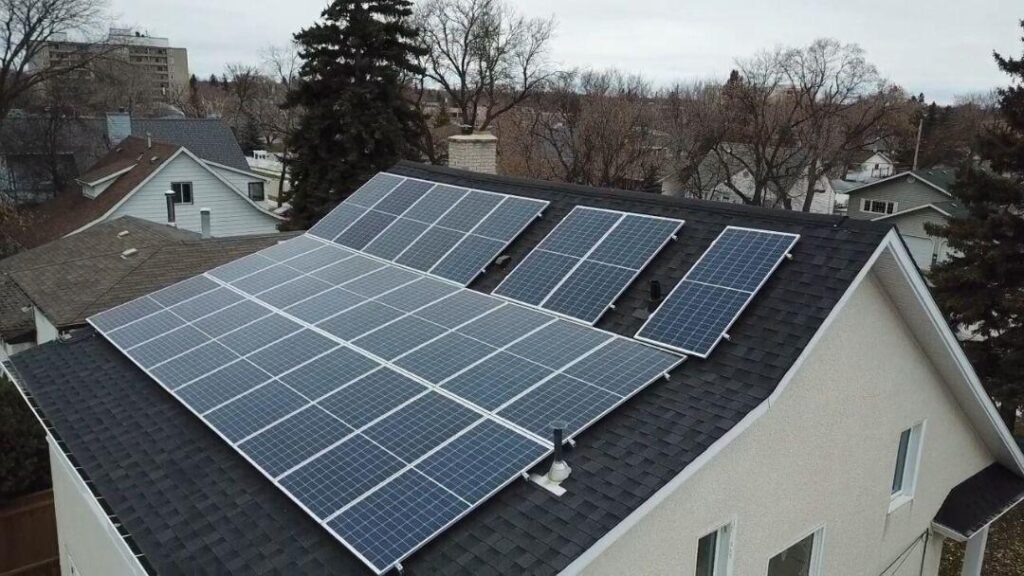
Winnipeg Solar Company Excited About Recent 50% Increase In Provincial Rebates For Commercial Solar

WINNIPEG, MB:  Powertec Solar, an award-winning Canadian solar installer headquartered in Winnipeg, is excited about a recent 50% increase in Efficiency Manitoba’s rebates for commercial and agricultural solar.  Increased rebates accelerate the payback for solar investments and make solar a more attractive energy option overall for Manitoba business owners and Farmers.  


As of May 12, 2025, Efficiency Manitoba began offering a rebate of $0.75 per direct current (DC) watt installed on eligible commercial buildings connected to Manitoba Hydro’s grid.  This represents a 50% increase from the Crown corporation’s previous commercial solar rebate amount of $0.50 per direct current (DC) watt.  This means on a 100kW system the rebate is now $75,000.


In order to be eligible for rebates, a commercial solar PV system must be appropriately sized to offset electricity consumption.  Larger systems may be installed, but rebates will be limited to their annual average electricity usage.  Other eligibility criteria for the commercial solar rebate program include having a building with its own meter and an active Manitoba Hydro account billed at a commercial general service electricity rate, having a new solar PV system purchased in Canada, and having the project pre-approved by Efficiency Manitoba.  Business owners can visit Efficiency Manitoba’s website to learn more about how to qualify for and participate in the commercial solar rebate program.  


Daniel Hartley, the owner and president of Powertec Solar Inc., is thrilled with Efficiency Manitoba’s commercial solar rebate increase:  “It’s very exciting and puts solar in reach for so many more businesses,” he said.  “We expect to see an influx of new businesses investing in solar in the coming months and look forward to helping them achieve their energy goals with our state-of-the-art installation processes.”  


As a division of Powertec Electric, Powertec Solar is an electrical company that does solar—rather than a solar company trying to do electrical-based work.  This is a vital distinction because it means that every solar project taken on by Powertec Solar is completed by professional electricians who have the training and experience to ensure a superior outcome.  Powertec Solar is dedicated to providing high-quality solar panels at an affordable price point and has helped numerous businesses achieve their sustainability goals and see a positive return on their investment.  The company also proudly offers a warranty for every installation.  


For more information about Powertec Solar and the services it provides, visit https://powertecsolar.ca.  To learn more about and apply for Efficiency Manitoba’s commercial solar rebate program, visit https://efficiencymb.ca/business/solar/.  

Solar Panel Maintenance: Tips For Keeping Your System Running At Peak Efficiency

Solar panels are an excellent way to reduce energy bills, and the Government of Manitoba offers an excellent solar rebate program. To make the most out of this program, you need to optimize your energy output—and to do that, you need to know about solar panel maintenance. 

How Maintenance Improves the Efficiency of Your Solar Panel System

Solar panels absorb sunlight to produce electricity. Most solar panel owners realize that the efficiency of their panels goes down when the sky is overcast; fewer rays from the sun can make their way to the solar array.


You may not realize that solar panels caked in dirt, dust, grime, and other debris experience a similar loss in efficiency; fewer rays can make their way through the panels, and less electricity is generated.


Cleaning your solar panels regularly will generate more electricity and save more money. We highly recommend getting a solar monitoring system to track your solar panels' energy production and health; if you do, you’ll be able to see exactly when your solar panels need maintenance. 

How To Maintain Your Solar Panels

Maintaining your solar power system is simple but can be dangerous depending on how high up your solar panels are. We recommend hiring a professional if you’re worried about injuring yourself or damaging your solar panels.


Here’s how you can clean your solar panels:


There are several other maintenance tips, aside from regular cleaning, that can keep your solar system running at maximum efficiency:


You should clean and maintain your solar panels at least once a year and inspect your solar panel system regularly; a monthly visual inspection is a good idea. Always conduct an investigation and perform routine maintenance if production falls off unexpectedly. 

What To Avoid When Maintaining Your Solar System

Proper maintenance is essential when you’re trying to maximize energy production—but improper maintenance can actually reduce the efficiency of solar systems and lead to costly repairs. Here are a few pitfalls to avoid:


You should also avoid letting extreme weather conditions trick you into thinking your solar panels have lost efficiency. Once the weather clears, your solar system may return to optimal energy production; rain can clear debris off your panels. 

How Powertec Solar Can Help

As experts in solar panel installation and solar panel maintenance, we can clean, maintain, and improve your solar energy system to ensure optimal energy production. Need help cleaning, maintaining, or installing your Winnipeg solar panels? Get in touch with us today! 

The Challenges Of Installing Solar Power In Remote Communities

It's easy to take electricity for granted, especially if you live in a location where you're conveniently connected to a major, reliable grid day and night. On-demand hot water, air conditioning, appliances like washers, dryers, and refrigerators, and outlets for charging electronic devices may not feel like anything special.

But for the hundreds of millions of people around the globe who live in remote communities with limited or no access to electricity, it's a different story. In Canada alone, more than 280 communities (home to approximately 200,000 people) are not connected to the North American electrical grid and continually grapple with the realities of expensive, unreliable, and environmentally unsustainable energy solutions.

As climate change continues to impact communities worldwide and the climate emergency becomes increasingly dire, sustainable energy systems are a major priority for urban and remote communities alike. That being said, remote communities (particularly those in Canada's north) face unique challenges in terms of renewable energy solutions.

At Powertec Solar, we are proud to be the leading supplier and installer of solar panels in Iqaluit, Nunavut, and we believe that solar power offers incredible potential for helping remote northern communities gain energy autonomy and overcome their reliance on diesel power for electricity, heat, and transportation. But we also recognize that the road to sustainable energy solutions in remote communities can be full of challenges and pitfalls.

Below, we’ll explore some of the energy barriers Canada's remote northern communities face and why we believe that solar power is a crucial component of effectively resolving them. Properly installed and supported sustainable energy solutions empower communities and lead towards a brighter, cleaner, and more connected future for all.

Energy Inequality Up North

Imagine waking up on a frigid winter morning, uncertain whether or not you'll have enough heat or light to make it comfortably through the day. Or how about having to choose between paying for heat or purchasing healthy food for your family because of your exorbitantly high energy bill?

Unfortunately, both scenarios are commonplace in many remote northern Canadian communities, where vast and harsh geography, combined with small total population numbers, make services like interconnected roads and power grid systems an impossibility.

In Canada's north, most remote communities rely on diesel power, a problematic energy source in many ways (see below). From a financial perspective alone, diesel is extremely costly—as much as 10 times more expensive per kilowatt-hour (kWh) than what the average Canadian household pays. (A kilowatt-hour is the amount of energy required to power a 1000-watt appliance for 1 hour.)

Large subsidies are necessary to keep energy costs affordable in Canada's north (though still much higher than in less remote parts of Canada). In Nunavut, Canada's largest but most sparsely populated territory, electricity costs are heavily subsidized up to a maximum usage per month of 1000 kWh in the winter and 700 kWh in the summer. Beyond that maximum, residents pay an even higher unsubsidized rate.

Reliance on Diesel Power

In Nunavut, the whole territory's 25 communities are powered by standalone diesel generators. The diesel fuel to power these generators is typically shipped in once per year and stored in bulk tanks. While diesel is an energy-dense fuel that is able to meet the energy needs of many communities, it often meets those needs in detrimental ways.

Below are some of the major concerns with reliance on diesel power:

With the Arctic warming nearly four times faster than the rest of the planet and greenhouse gas emissions continually rising in Iqaluit and other Nunavut communities, cutting reliance on diesel is a critical step for remote northern communities. Solar provides an exciting and sustainable alternative.

Current Utilities Disputes

The technology and momentum exist for establishing renewable solar energy solutions in Canada's remote north, but systemic on-the-ground challenges often arise. From projects that fail to take root because they don't align with community needs and concerns to initiatives that get waylaid (sometimes for years) by frustrating bureaucratic processes or administrative conflicts with utilities providers, the path towards establishing successful solar programs can feel like an uphill battle.

But the challenges are also balanced by rapidly evolving initiatives and inspirational successes. Individuals and entire communities are looking for meaningful ways to reduce their reliance on unsustainable energy sources, and solar power offers a way forward.

Opportunities Up North

Northern Canadian communities are actively seeking renewable energy solutions that will benefit them financially, environmentally, and health-wise. Fortunately, territorial governments, the federal government, energy corporations, and other organizations are listening and responding with proactive funding initiatives and incentives.

Qulliq Energy Corporation (QEC), Nunavut's sole power generation and distribution utility, has offered a net metering program since 2017. Participants in this program can receive credit from QEC in return for excess energy produced by their solar energy system and delivered to the QEC grid. Credit accrued in the sunny summer months can be used to offset energy consumption costs in the darkest days of winter when solar power must be augmented by grid-tied energy. This program alone can drastically reduce both the environmental and financial costs associated with annual power usage.

In addition, various grants and programs exist at the federal and territorial/provincial levels to support renewable energy initiatives and make them attainable for residential and commercial settings. In Nunavut, the Renewable Energy Homeowner Grant Program and Renewable Energy Cabin Grant Program offer opportunities to homeowners, as do the federal Canada Greener Homes Grant and Canada Greener Homes Loan. For businesses, the federal Clean Energy Technology Tax Credit has been announced, and more details are pending.

Reliability of Renewable Energy

QEC expresses concerns about the costs and potential intermittency associated with the development, installation, and maintenance of renewable energy systems, especially in communities where energy costs are extremely high and power outages are already a fact of life. It emphasizes that while large grid systems can better accommodate the fluctuations associated with solar and other renewable energy sources, such as wind power, the challenges are much greater with small power systems.

These points are valid, but they don't tell the whole story. In many instances, renewable energy sources are actually more reliable and affordable than diesel energy—not to mention—much safer and more sustainable both environmentally and health-wise.

The truth is that solving the complex social, economic, and environmental puzzle of remote northern energy security is not a simple or straightforward undertaking, but solar power offers an effective and welcome alternative to unsustainable options like diesel. The development of new technologies and solutions is ongoing.

Battles With Bureaucracy

The government of Canada has made it a goal to eliminate diesel-powered electricity generation in remote communities by 2030, but there are many hurdles to overcome. That being said, each successful project—no matter how small or large—represents a tangible step in the right direction and a more sustainable future for Canada's northern communities in the long term.

Remote Communities Already Taking Action

In many communities across northern Canada, major renewable energy success stories are already unfolding, galvanizing attainable footsteps for other communities to follow: In Old Crow, Yukon, a solar farm now generates 24% of the town's energy; in Sanikiluaq, Nunavut, a recent wind project is expected to cut diesel fuel reliance in half; and in Fort Chipewyan, Alberta, residents are benefitting from Canada's largest off-grid solar project.

Momentum, potential, and the technology to support more solar (and other renewable energy) projects abound, bringing the hope of true energy autonomy and sovereignty to Canada's remote northern communities. Powertec Solar is proud to be part of the solution.

Installing Solar Panels With Powertec Solar

As the leading supplier and installer of solar panels in Iqaluit, Powertec Solar possesses the knowledge, experience, and expertise to bring superior solar technology to your remote northern community. Supportive, professional, and unphased by the challenges of remote work, we offer solar solutions for private residences, commercial settings, industrial settings, Indigenous communities, major off-grid projects, and more.

At Powertec Solar, our mission is to help Canadians take energy production into their own hands—an incredible and empowering opportunity for those struggling with the challenges of energy insecurity and inequality in remote northern communities.

Get in touch with our team at Powertec Solar to learn more about how we can support you and collaborate with you in overcoming any hurdles that may stand in the way of achieving your renewable energy goals. Call or email us directly, or start your free solar energy feasibility analysis here.

Solar, Battery, & Hybrid Inverters Explained

When it comes to installing solar panels on your home, you will need more than just your PV panels. Many homeowners and business owners who are interested in making the switch to a more renewable energy source find themselves overwhelmed by the system components that they need to make this type of power work. 


One of the most important pieces of your solar system is your inverter, but which type should you buy? Some people may even be wondering why an inverter is a necessary part of their solar system. If you are hesitant about what type of inverter you need, this guide will help you decide between a solar, battery, and hybrid inverter. 

What Is an Inverter? 


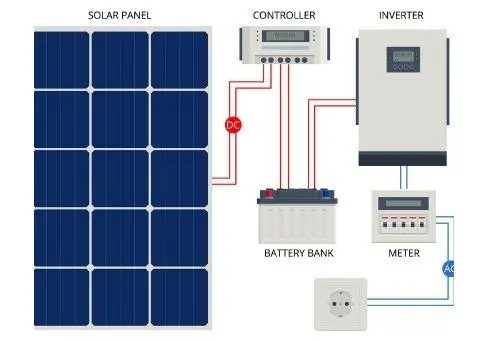
Before diving too deeply into the differences among the various types of inverters, it is important to first understand what an inverter actually does: Your solar panels produce DC (direct current) energy. Unfortunately, this is not the proper format for your home to make good use of that energy. It must instead be converted into AC energy. An inverter’s primary function is to help convert your produced energy from DC to AC power. However, there are several different ways that inverters can go about this. This is why there are three main types of inverters for homeowners or business owners to choose from. 


If you are on the fence about what type of inverter you want or need, this guide will explore the differences: 

Solar Inverters


Solar inverters are perhaps the most common type of inverters that homeowners select when it comes to converting energy from DC to AC power. The benefit of choosing a solar inverter is that you have many different models to choose from as a result of their popularity. Some may have other more advanced features that appeal to you. 


These solar inverters can also include battery storage, but you may be required to have a separate inverter for this process. 


A solar inverter can be quite flexible and is suitable for residential and commercial applications. Some are relatively small and are just single-phase inverters. Others can be quite large and are known as three-phase inverters. A reliable solar energy company can help you decide on the proper size. 

String Inverters


Solar inverters connect to the grid and can be found in two primary formats: String solar inverters or micro-inverters. In a string system, the inverter will be tied to several panels. A string solar inverter has one major downfall: All of the connected solar panels are only as powerful and high-performing as the worst performing panel. 


What does this mean for your home? Think about how your solar panels work throughout the day. If some of your panels are located in the shade, they will not produce as much energy as the panels that are located in direct sunlight. When you are implementing a string solar system, your system will only be as powerful as those least-performing panels that are found in the shade. 


Make sure to evaluate how much sun each of your panels receives before committing to a string solar inverter. If part of your roof is obscured in the shade during peak hours, then you may want to switch to micro-inverters instead. 

Micro-Inverters


On the other hand, a micro-inverter will be a small device attached to each solar panel. When you invest in micro-inverters, you will spend more money to purchase all of the inverters you’ll need to pair with your solar panels; they are ideal for complex roof arrangements because they don’t take up much space. 


Micro-inverters are also great because they each operate completely independently, ensuring that you have energy even if some of your panels experience shade throughout the day. This is the total opposite of a string system where your panels default to the same productivity as the worst-performing panel. 


If you can afford the initial investment in this type of system, you will likely be much happier with it over the more standard string solar inverter. 

Battery Inverters


Battery inverters are a bit different than the more plentiful solar inverters. Their primary job is to charge your battery banks. While they do convert DC power to AC power, the thing that sets a battery inverter apart is its capability of doing the opposite as well. This makes them part of an essential system, whether you have solar power or not. 


Some people choose to use battery inverters even without a solar system because it enables them to use less expensive electricity instead of paying for peak hours. 


Many people are already familiar with the plug-in battery inverters that are often used in travel, such as on RVs, caravans, or even boats. In these cases, the battery inverter will typically be paired with one or more solar panels to store energy needed for the trip. 


The benefit of going with a battery inverter is that it has the potential to be as powerful as you want it to be. They will often range from 150W for suitable uses in vehicles all the way to battery inverters that exceed 10,000W. The latter can take you all the way off-grid if that is your end goal when converting to solar energy. 

Hybrid Inverters


Hybrid inverters (also known as battery-ready inverters or multi-mode inverters) are a great combination of both the more standard solar inverter and the battery inverter. They are rapidly growing in popularity and may even rival the prevalence of solar inverters in the years ahead. This is because they combine the power of a solar inverter along with a battery inverter, making this a comprehensive system that is also cost-effective for those who want to add batteries. 


These inverters are capable of converting your DC power to AC power from your solar panels. At the same time, they can also charge your battery backup system with excess electricity from the solar panels.  


The right hybrid inverter is designed for clean energy, managing inputs from generators, wind turbines, and more. They can also access the grid and use it to charge your battery backup system if this is something that catches your interest. A hybrid inverter can pull energy from the grid when it is less expensive and store it in your batteries for use during peak hours. This allows you to save on the monthly costs of your power bill. 


If you aren’t sure what type of battery backup system you want, you can still purchase a hybrid inverter with plans to expand your system in the future. 


Hybrid inverters have been used for quite some time, but they’re often less efficient than solar or battery inverters. Be sure to weigh the pros and cons of this type of inverter system before investing. 

What Type of Inverter Do You Need? 


All of this information can feel overwhelming at first. Homeowners and business owners who want to make the switch to solar energy may need some guidance. Powertec Solar is available to help you process some of these key decisions regarding your solar system. If you have a question about what is right for your property, give us a call today!

How Smart EV Chargers Work

Purchasing your electric vehicle was one of the best investments you’ve ever made. It’s great for the environment and your wallet. However, keeping a charge on your car may be more of a struggle than you anticipated. Smart EV charging is coming to the rescue for many electric vehicle owners. People are wondering just how these smart chargers work and what the benefits are for their bottom lines. 


If you are considering smart EV charging for your car, here is everything you need to know about how the process works: 

What Is Smart EV Charging?


Smart EV charging is sometimes also referred to as intelligent charging. Smart EV charging occurs when an electric vehicle and a charging device have a data connection. In other words, the EV charger connects to the internet or the cloud. Meanwhile, the charging device has a data connection with the charging operator. This allows for different types of functions that aren’t available with a more traditional charging device. 


For example, a traditional charging device doesn’t connect to the cloud. As a result, you can’t monitor or manage the charge remotely. With smart EV charging, car owners have the luxury of being able to restrict the use of their devices in order to optimize their energy consumption. 


Other highlights of switching from traditional charging to smart EV charging include the ability to add and remove features. You can create a system that suits your needs with ease. This type of charger also allows you to minimize your dependence on the grid, as smart EV chargers can act in conjunction with renewable energy sources, including solar panels, wind turbines, and battery storage. 

Connecting with the Power Grid


If you are interested in smart EV charging, it’s helpful to know how it can benefit the power grid as well. When you enable smart charging through these means, it creates a mutually-beneficial relationship with the power grid. The smart EV charger and the power grid will serve one another. 


This is great news for the power grid. Smart charging prevents electric vehicles from turning into a drain on the grid itself.

Future-Proofing with Smart EV Chargers


Technology is growing and expanding at incredible rates. Even just a couple of decades ago, electric vehicles seemed like a distant dream. As we learn more about how to manufacture electric vehicles, scientists and researchers have determined that there may still be a long way to go before the technology is perfected. 


One of the major benefits of smart EV chargers is that they’re mostly future-proof. Because you can add and subtract features at will to create a custom system, smart EV chargers will easily be able to adapt to changes in technology. 


Researchers and developers who come up with new solutions can turn their ideas into features that can be easily added to the smart system. As renewable energy sources continue to grow in popularity, these will also start to be more compatible with the system. Consider how rapidly science has already advanced in the past two decades, and you will likely find yourself amazed at how these smart EV chargers will continue to evolve in the years to come. 

How Smart EV Charging Works


Are you interested in how smart EV charging actually works? If you have never used an electric vehicle or smart charging before, the process may feel a bit foreign to you. Once you do it a few times, you’ll get the hang of it and start to appreciate the simplicity of the process. 


First, you’ll identify yourself and your car at the charging station. You may need to use the mobile application or scan your RFID tag at the charging point. 


This proof of identity serves to connect you, the charging point, and your charging event together in a meaningful way. This step is also designed to exact the appropriate price for your charging service. From here, the money will be sent to the charging station owner automatically. 


If you are an unregistered user, don’t worry. You can still use these smart EV charging stations, but you’ll have to pay with a debit or credit card for the services. 


Charging is based on the settings and prices selected by the station owner. You won’t have to adjust anything. All you need to do as the vehicle owner or operator is to identify yourself and plug into the charger. Utilizing smart EV charging is almost effortless, though a lot of things must occur on the back-end; what you’ll experience as the car driver will be relatively simple, though. 

Benefits of Smart EV Charging


If you’re wondering about the benefits of smart EV charging, there are quite a few things to consider. Electric vehicle owners will want to make the switch to this internet-based charging option in order to get a faster charge, a safer charge, and a less expensive charge. 


The first thing to note is that you can often charge faster using this method. Because it’s a smart system, you’ll gain access to the maximum amount of energy with many stations ranging from 22 kW to 150 kW. 


Not only is it faster to use smart EV charging, but it’s also safer than using a household socket. The technology is set up to test the connection between the car and the charging device at the very beginning. The charge is monitored throughout and can easily be controlled from a remote location. 


Last but not least, smart EV charging is also beneficial for the environment (and your wallet). You can use this type of charge to time your charge when electricity is the least expensive. You will save precious dollars and cents by using less expensive energy, but it will also help to balance the grid. 


As this type of charging grows in popularity, there’s the possibility that energy companies may offer an incentive for charging this way. You may have to use your car battery as a source of power at times, but it could save you financially in the long run if this were to become the case. 

Connecting to the Cloud 


Smart EV charging is the way of the future for all-electric vehicles. Connecting to the cloud packs a powerful punch when it comes to your home EV charging in Winnipeg. Let Powertec Solar help you coordinate your new system. Our experienced technicians can walk you through just why you need smart EV charging and get you set up in no time at all. Give us a call today to learn more about this service!

How Long Do Solar Panels Last?

When you are looking for a great way to reduce your monthly expenses and reduce your carbon footprint, solar energy should be at the top of your list. They are a great way to implement reusable energy in your home or business. However, the initial investment into solar panels can be costly, especially if you are planning a large system. You want to make a wise investment, so how long can you expect your solar panels to truly last?


If you have been wondering about the longevity of your investment, you’re in the right spot. We’ll take a look at how long solar panels last and what you can do to extend their lifespan for your home or business. 

Degradation of Solar Panels 


Unfortunately, it’s not realistic to expect that your solar panels will last forever. Like any type of technology, it will slowly lose its power over time in a process known as degradation. It will happen relatively slowly, and you may not even notice this taking place for many years or even decades. 


Degradation refers to the way your solar panels will lose their ability to absorb the sun. This process can be affected by a number of factors, including changes in climate, heavy soiling of the panels, or improper installation. The quality of the technology you purchase also plays a role in this rate of degradation. 


Quality technology with a top-notch installation will have a lower degradation rate and will last longer.

How Long Do Solar Panels Last? 


Now that you know what impacts the lifespan of a solar panel, it’s important to examine just how long you can expect your system to last. This will help you figure out what the annual cost of maintaining your solar panels will be and will guide you through the decision-making process as you consider every aspect of solar systems. 


According to the research, the average solar panel will lose roughly 0.8 percent of its output annually. This means that your solar panels function at 100 percent capacity during the first year they are installed on your home and business. As the next year comes, the standard degradation rate means that each panel will only have 99.2 percent capacity. As you can see, this means that your panels will last a long time. 


When you purchase advanced technology, you might be able to reduce this rate to around 0.3 percent degradation annually. It might be worth a more expensive initial investment if you don’t want to have to worry about replacing your panels in the years to come. 


With degradation rates this low, you can rest assured that your solar panels will last for a long time. Most homeowners and business owners who utilize this renewable energy source report that they have seen their panels last for 30 years or more. Choosing quality solar panels from the very beginning is essential to seeing these types of favourable outcomes.


You also need to be mindful of how you’re caring for your solar panels to keep them in top shape. Protecting them from harsh weather conditions and making sure they are properly installed will all affect how long your system will last. 

Protecting Your Solar Panels


One of the best ways to ensure that your solar panels will last for decades is to make a wise investment initially. Beyond just choosing more advanced technology, you also need to consider the environmental factors that influence their power. A successful solar system relies on several different aspects of installation: 


First, weather can play a major role in the longevity of your system. Extreme changes in climate from season to season can make it more difficult for solar panels to do their job efficiently. Extreme weather can cause damage to your solar panels. 


Tree limbs may fall on your panels in a heavy storm, leading to damage to the glass. Hail can produce similar results if the stones are large enough. If you live in an area that is prone to heavy snowfall, it could spell disaster for your system. The weight of the snow on your panels can lead to a loss of structural integrity and more degradation. 


A quality installation is also essential if you want your solar panels to last for a long time. It takes the knowledge and care of an expert to wire and hook up your new solar system properly. They must understand just how the system functions to give your building the right amount of solar energy. 


A good install should also take into account the condition of the roof before starting work. If you have any spots that are worn, damaged, or leaking, you might experience major problems that affect your solar system in the months and years ahead. 

Do You Have To Replace Panels Every 30 Years? 


Even if you take every precaution necessary to protect your new solar system from the elements and ensure that you get a quality installation, you might be wondering what a 30-year lifespan will mean for your system. The truth is that you don’t necessarily have to replace your solar panels in 30 years, though you could if you wanted to. 


At this milestone, most homeowners simply find that their solar panels have decreased in the amount of electricity that they can produce. They will still deliver some power to your home, but they may not be as efficient as they were when you first installed them. 


Most of the time, your solar panels are constructed of extremely durable materials that make it unlikely that they will be damaged by normal weather conditions over the years. As long as your roof remains in excellent shape through the decades, you may not find the need to replace these panels every three decades. 


They simply may not produce as much energy as you are accustomed to as they age. Decide whether they are producing enough to power your home before you start to calculate the cost of replacing the panels. 

Look for the Warranty


If you want to put your mind at ease about how long your solar system will last, you can look at the warranty on the solar panels you are expecting to purchase. Based on a comprehensive look at the warranty, you might be able to ascertain how long the manufacturer projects that these panels will last. 


Make sure you are looking at every aspect of the warranty when it comes to determining the life of your panels. You want to have an equipment warranty as well as a performance warranty.  Be wary if your solar panels don’t offer both of these types of warranties.


A performance warranty guarantees that your panels will produce a set amount of electricity for a given period of time. On the other hand, your equipment warranty ensures that your panels will be free of manufacturing defects. Both are important components when considering which types of panels are the right fit for your home, but the performance warranty is a better indicator of lifespan. 

Installing a Great Solar System


Purchasing your solar panels so that you can run your home or business on renewable energy resources means making a hefty investment in your building. You want to make sure that you are getting panels that are going to last you for decades. If you want solar panels in Winnipeg, you should contact the experts at Powertec Solar. 


We can help you select the panels that will last you for decades to come, and our experienced technicians will ensure you get a quality install. Contact us today to learn more about how we can help you power your home from the sun!

What Is Vehicle To Grid Technology?

If you own an electric vehicle, you’ll want to maximize its power with vehicle to grid technology. This new technology allows your car to communicate with the power grid and supply your home with a secondary source of energy when your solar panels may not be enough. Homeowners may find themselves curious about what this advancement could mean for their homes and budgets. 


When you’re ready to make a difference in the environment and your monthly bills, here is what you need to know about V2G technology for your home: 

What Is Vehicle to Grid Technology? 


Vehicle to grid technology (V2G) allows you to use the charge from your car to power your home. The electricity from your car can be drawn into the smart grid, helping to supplement the energy grid during hours where prices are at their highest. It can also be helpful during a power outage as it can allow you to keep the lights on and the refrigerator running. 


Some homeowners use V2G technology as a backup for their solar systems. If they want to use more electricity at night than what their solar system stored during the day, their vehicle power can be used to bolster other renewable energy sources. Instead of relying on battery backup systems, you can use your vehicle as a backup source of power. 


The concept behind this technology is known as smart charging (V1G charging). It occurs when a homeowner or EV owner is completely in control of how their car is charged. Keep in mind that you’ll need to monitor the battery levels of your vehicle at all times; you don’t want to find yourself stranded because you didn’t plan ahead for your daily commute. 


During this type of charging, you can increase or decrease the charge as necessary. V2G technology takes this just a bit further and contributes some of its charged power back to the grid from the car battery. 


Chances are that V2G technology sounds like a great idea. Many homeowners mistakenly believe that it’s easy to implement, but it can actually be quite challenging. You will need to install a charging station in your home along with special software that can communicate with the power grid. This will allow it to examine the system’s demand at all times. 


Bidirectional technology is the cornerstone when it comes to allowing your vehicle to communicate back with the grid. Trust the installation of your new system to the experts so that you can successfully start saving more money. 


Benefits of V2G Technology


It might seem like the best choice to implement vehicle to grid technology in your home, but it helps to have a thorough understanding of what you can gain. First and foremost, V2G tech is great for the environment. It is a source of clean energy that promotes zero carbon emissions, making it a positive wave for the future. 


In addition to helping the environment, it also can offset the cost of owning an electric vehicle. By using it to sell back extra power from the car, you can use those savings to cover the payment on your new car or to pad your savings account. 


If you are more into the tech side of things, you might be pleased to learn that V2G technology also makes for more effective power distribution. Electric vehicles lead to an increased demand on the system, especially during peak hours when people are running their lights, HVAC systems, and more. 


Instead of paying for the power during peak usage hours, the power company often rewards its clients with lower rates for using power in the off-hours. With a little savvy planning, you can cash in on this trend and reduce the need for power during peak times using V2G technology. 

How Do You Get Vehicle to Grid Technology? 


Are you convinced that vehicle to grid technology is the right fit for your home? You might be wondering how you can implement this technology at your house. It sounds quite simple to do, but it can be a bit complicated. Most of the EV charging stations installed in homes are made to be unidirectional. This means that energy flows only one way: From your home to your electric vehicle. 


Instead, you’ll need your charging station to be bidirectional. This will allow your car to communicate effectively with the power grid to determine what is needed and when. 


While this might sound easy, the truth is that there are very few regulations when it comes to this new technology. Consult with your local regulations to learn more about how you can start to take advantage of this V2G technology to save more money and help the environment at the same time. 

Implementing V2G Technology


Those who plan to utilize V2G technology will want to pay careful attention to just how much of their car’s battery power they are using to power their home or office. You’ll need to maintain a certain amount of power in your car battery to get you around town or to commute back and forth to work. 


With V2G technology, it’s very possible that your car will continue to contribute to the power grid until you tell it otherwise. This can be problematic if you aren’t paying attention to just how much power your car has left. Consider investing in technology that helps you to keep the car battery higher, around 70 to 90 percent, so that you always have enough power to keep driving. 

Getting Vehicle to Grid Technology


Once you decide that your home could benefit from V2G technology, it’s time to contact the experts at Powertec Solar. We can help you install a home EV charging station in Winnipeg and teach you how to make the most of this power source. Your bottom line will thank you, and your carbon footprint will shrink. Take advantage of these benefits and contact us today to see how we can help you with your new technology!

Is My Commercial Building A Good Fit For Solar?

Business owners are always looking for new and creative ways to improve their bottom line. Making the switch from traditional power and electricity to solar energy is one way that you could minimize the amount you spend on power bills while helping out the environment at the same time. There are plenty of benefits when it comes to switching to solar if you’re ready to take the leap.


Is your commercial building a great fit for new solar panels? Learn more about the requirements for solar energy in this detailed guide! 

When Do You Use Electricity? 


As you might have already gathered, solar power works best during the daylight hours when the sun is shining brightly. Evaluate when your business uses the most energy to determine if solar is the right fit for you. Solar may be the best option for your commercial building if you use most of your electricity during the day. 


This doesn’t mean that you can’t make good use of solar if the bulk of your electricity is used overnight. Electric power from during the daytime hours can be stored and used overnight as well. It’s just one consideration to think about when deciding if solar is the right fit for you. 

How Much Roof Space Do You Have? 


One of the factors that must be considered before determining if your commercial building is a good fit for solar is the amount of roof space you have. It likely comes as no surprise that you will need a great deal of open roof space if you want to install panels. Make sure that there are no obstructions on the roof that would interfere with the placement of your panels, such as chimneys or smokestacks. 


The number of solar panels that your business requires will be unique to your needs. However, you’ll see a bigger return on investment with a larger system. This is why you need to make sure that you have plenty of space available. 

Is Your Roof Sloped or Flat? 


Another factor pertaining to your roof is its pitch. Most experts agree that a sloped roof tends to be better for solar than a flat roof. This is because a sloped roof allows your panels to be exposed to more direct sunlight, improving the amount of energy you can generate. The panels will naturally face in one of the four directions. 


Because the roof is sloped, the panels will be perpendicular to the sun’s rays which makes it more likely that you will produce the energy you are hoping for. 


A flat roof can also be modified to hold solar panels, but it is more difficult. It may require some engineering work to get the roof in shape to hold solar panels. It can be done, but it may come at an additional cost. For example, it may require more hardware and racking to hold your solar panels in place on a flat roof. This same level of detail may not be required on a sloped roof.  

Is Your Roof in Good Shape? 


In addition to evaluating the roof space that you have, you should also consider the condition of your roof overall. Once solar panels are installed, they can last for decades to come – as long as your roof is in good condition. You want to ensure that your roof can outlast your solar panels so that you can minimize the amount of work necessary to access this clean source of energy. 


Be sure to consult a roofing expert to determine if your roof is in good enough shape prior to installing a new solar system. If you need shingles replaced or even a full roof replacement, it’s best to take care of this upgrade before you capitalize on the benefits of solar power. 


This may mean delaying your switch to renewable energy, but you will be grateful for the update to your roof later on. 

Do You Plan To Go Off-Grid? 


Consider what your long-term goals are when installing solar panels in your commercial business. Most business owners are solely interested in improving their bottom line and slashing the costs associated with traditional electricity. If they could, many people would make the switch to solar panels exclusively and take their business off-grid. 


If this describes you, then you may need to invest in other technology to assist you. It is relatively uncommon for a business to go entirely off-grid unless they have an extensive solar panel system with solar batteries to store power until it’s next required. Most business owners find that they may need to tap into local electricity during peak hours, but solar can substantially cut down your bill. 

Do You Plan To Sell Your Building? 


Business owners who are planning to make the switch to solar energy often want to ensure that they own their building before making such a large investment. As long as you own the building and meet the other criteria found here, then you might be a great candidate for solar in Manitoba. However, you will want to think about the long-term prospect of your building before making the investment. 


When you plan to sell the business in the years ahead or move to a new location, you need to consider how solar panels will affect that move. The good news is that solar panels can boost the resale value of the property because your commercial building will be greener and will have a lower operating cost when it comes to utility bills. 

Installing Solar Panels on Your Commercial Business


You have made it through this checklist and determined that solar energy could be a great fit for your commercial business. If you are ready to take the first steps toward solar in Manitoba, be sure to give Powertec Solar a call. Our experts can evaluate your building and your specific needs to determine if solar is the right choice for your commercial business!

Winnipeg Solar Company Increases Production As New Solar Rebate Program Launches

WINNIPEG, MB: Powertec Solar, a leading solar panel installation company, is ramping up production to keep pace with the increasing demand for solar systems. In light of the newly announced Solar Rebate Program by Efficiency Manitoba, more Manitobans are seeking solar installations in their homes and businesses.

The Solar Program Rebate is available to all homeowners who purchase solar photovoltaic systems connected to the Manitoba Hydro grid. For every watt installed on a residential home, homeowners can save $0.50 up to a maximum of $5,000. The solar system must be installed through an Efficiency Manitoba supplier. Pre-approval is not required. 

The new rebate can be combined with the Greener Homes Grant for additional savings. The Greener Homes Grant is a federal incentive for homeowners that provides up to $5,000 toward the cost of a solar installation.

Homeowners can also finance their solar PV system installations through the Greener Homes Initiative. This is a federal program that provides an interest-free loan of up to $40,000 with a repayment term of 10 years.

In total, homeowners can use both the Efficiency Manitoba rebate and the Greener Homes Grant to save up to $7,500 on a 5kw system and $10,000 on a 10kw system. 

Powertec Solar is training new crews to meet the rising demand for solar installations in Manitoba. 

“There has never been - and likely never will be - a better time to get started with residential solar in Manitoba,” said Jacob Kettner, a partner of Powertec Solar. “By combining both rebates, homeowners can save up to 50% or more on the cost of installing a solar system.”

Businesses can also use the Efficiency MB Solar Rebate Program to make renewable energy more affordable. For commercial solar system installations, the rebate offers up to $25,000 in savings. Businesses must have their installation projects pre-approved by Efficiency Manitoba to qualify for the rebate.

Powertec Solar offers high-quality solar panel installation services to clients across Manitoba, Saskatchewan, Ontario, and Nunavut. The company installs grid-tied, grid-tied with a battery, off-grid, and micro-grid solar systems both for commercial and residential use cases. For more information about the company and the services it provides, visit https://powertecsolar.ca/.