If you want energy independence and reliable power without relying on the utility grid, an off-grid solar system may be the right solution. These systems are designed to generate and store their own electricity, making them ideal for remote homes, cabins, agricultural properties, workshops, and other locations where grid access is limited, expensive, or unavailable.
Unlike grid-tied solar, an off-grid solar system operates completely on its own. It captures sunlight through solar panels, stores unused energy in batteries, and delivers power to your building when you need it. When designed properly, an off-grid setup can provide dependable electricity year-round while reducing your reliance on fuel-based generators and rising utility costs.
In this guide, we’ll explain what an off-grid solar system is, how it works, what components it needs, and whether it makes sense for your property in Canada.
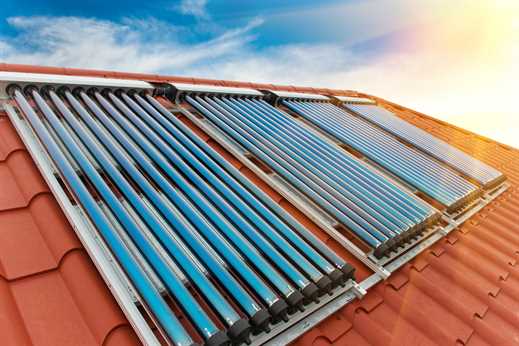
An off-grid solar system is a stand-alone energy system that is not connected to the traditional electricity grid. Instead of drawing power from a utility company, it produces electricity from solar panels and stores that energy in a battery bank for later use.
Because it operates independently, an off-grid system must be designed to meet your property’s full electricity needs. That includes daytime use, overnight use, and periods of poor weather when solar production is lower.
Off-grid solar is commonly used for:
• Remote homes and cottages
• Cabins and seasonal properties
• Farms and agricultural buildings
• Shops, garages, and outbuildings
• Rural properties where utility hook-up costs are too high
• Backup-ready properties seeking more energy independence
An off-grid solar system works by capturing sunlight, converting it into usable electricity, and storing extra energy for when the sun is not shining.
Here’s the basic process:
Solar panels generate direct current (DC) electricity during daylight hours.
The charge controller manages the electricity moving from the panels to the batteries, helping protect the battery bank from overcharging.
Any power your property does not use immediately is stored in batteries so it can be used at night or during cloudy conditions.
Most homes and buildings use alternating current (AC) electricity. The inverter converts the stored DC power into AC power for lights, appliances, tools, and equipment.
In many off-grid applications, a backup generator is included for extended cloudy weather, heavy winter demand, or unusually high power use.
A reliable off-grid solar setup includes several key components that all work together.
Solar panels are responsible for generating electricity from sunlight. The number of panels required depends on how much electricity you need and how much sunlight your property receives throughout the year.
Batteries are essential in an off-grid system because they store energy for use at night and during low-production periods. Battery capacity plays a major role in system reliability.
This component regulates the power coming from the solar panels and helps protect the battery bank. Many modern systems use MPPT charge controllers for better efficiency.
The inverter converts stored DC electricity into AC electricity that your building can use. Proper inverter sizing is critical if you plan to run larger loads like pumps, refrigeration, heating components, or tools.
This includes racking, wiring, disconnects, safety equipment, grounding, and monitoring hardware. These parts are just as important as the panels and batteries for long-term safety and performance.
While not always mandatory, a generator is often recommended for Canadian off-grid applications. It provides extra resilience during winter, extended storms, or unexpected spikes in consumption.
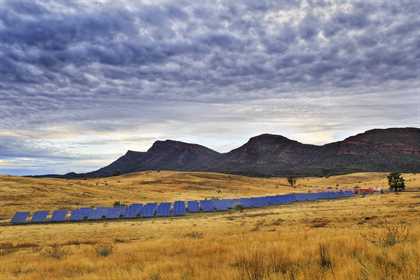
Understanding the difference between system types helps you choose the right setup.
• No connection to the utility grid
• Requires battery storage
• Designed to supply 100% of your electricity needs
• Best for remote or independent properties
• Connected to the utility grid
• Usually does not require batteries
• Excess energy can often be sent back to the grid
• Best for homes with reliable utility access
• Connected to the grid but also includes battery storage
• Can provide backup power during outages
• Offers more flexibility than a standard grid-tied system
• Often a strong option when grid access already exists
If your property already has dependable grid access, a hybrid system may be more practical than going fully off-grid. But if grid extension is costly or unavailable, off-grid solar can be an excellent long-term solution.
Off-grid systems are highly effective when designed properly, but they are not one-size-fits-all.
Because they require batteries and more system components, off-grid systems usually cost more upfront than standard grid-tied solar.
An undersized system can lead to battery shortages, generator overuse, or performance issues. Proper load analysis is critical.
In an off-grid setup, major electrical loads need to be planned carefully. Energy efficiency becomes more important.
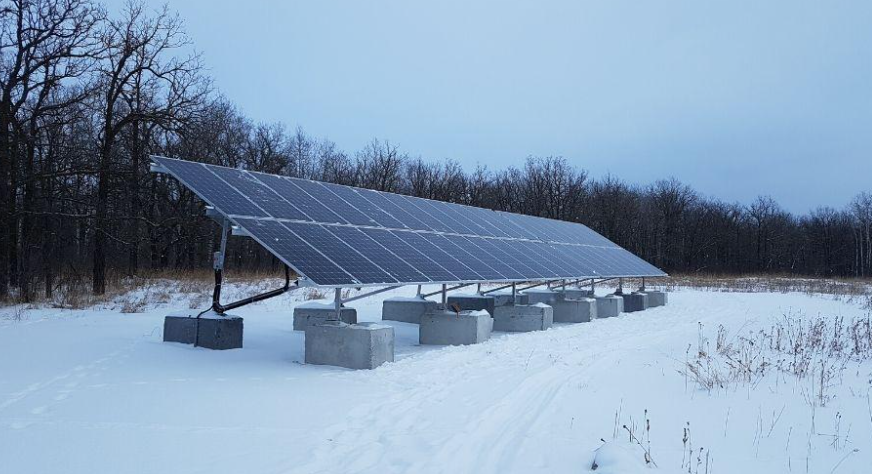
Canadian winters bring shorter daylight hours, snow cover, and increased heating-related electrical loads, all of which affect system design.
The cost of an off-grid solar system depends on:
• Your daily energy consumption
• Battery storage requirements
• Seasonal use vs. year-round use
• Equipment quality and brand
• Installation complexity
• Whether generator backup is included
In general, smaller seasonal cabin systems cost much less than full-time residential off-grid systems. A basic setup for lights, small appliances, and light seasonal use may be relatively modest, while a full off-grid home with substantial battery storage and backup can be a major investment.
The most accurate way to estimate cost is to start with your actual electrical needs and design the system around your usage patterns, location, and goals.
Sizing an off-grid system starts with understanding how much power you use and when you use it.
Important factors include:
• Total daily energy consumption
• Peak appliance loads
• Seasonal usage patterns
• Number of days of battery autonomy desired
• Winter sun availability
• Future expansion plans
For example, a remote cabin used on weekends has very different requirements than a full-time rural home with refrigeration, pumps, internet equipment, and multiple occupants.
At Powertec Solar, the design process starts with your actual energy needs so the system is built for real-world performance, not guesswork.
Yes, off-grid solar can work very well in Canada when the system is properly designed for the climate and application.
Canadian off-grid installations need to account for:
• Reduced winter daylight hours
• Snow shedding and panel tilt
• Battery performance in cold conditions
• Backup planning for long cloudy stretches
• Seasonal differences in energy demand
This is especially important for cottages, cabins, farms, and rural properties that depend on consistent year-round performance. A strong Canadian off-grid design should focus on durability, battery strategy, panel orientation, and practical backup planning.
An off-grid system may be a good fit if:
• Your property does not have utility access
• Grid connection costs are too high
• You want more energy independence
• You need reliable power in a remote location
• You are prepared to design the system around actual energy use
A hybrid system may be a better fit if:
• You already have grid access
• You want backup power during outages
• You want to lower electricity bills without fully disconnecting
• You want solar plus battery storage with more flexibility
The biggest mistake with off-grid solar is treating it like a simple panel installation. In reality, off-grid success depends on correct system design, proper load calculations, battery planning, inverter sizing, and climate-specific performance considerations.
A professionally designed system helps ensure:
• Reliable year-round power
• Proper battery storage capacity
• Better equipment life
• Fewer performance issues
• Lower risk of overspending on the wrong setup
If you’re considering an off-grid solar system for your home, cabin, farm, or remote property, the most important step is starting with the right design.
At Powertec Solar, we help property owners across Canada plan solar systems that match real energy needs, climate conditions, and long-term goals. Whether you need a seasonal cabin setup or a more robust off-grid solution, we can help you determine the right path.
Ready to explore an off-grid solar system for your property? Contact Powertec Solar to discuss your energy needs and get expert guidance on the right solution.
Yes, if the system is sized correctly. Full-home off-grid systems typically require larger solar arrays, more battery storage, and careful planning around major loads.
Yes. Batteries are a core part of off-grid solar because they store power for nighttime use and low-sun conditions.
Not always, but many off-grid properties benefit from generator backup, especially in Canada where winter conditions can reduce solar production.
Off-grid systems are completely independent from the utility grid. Hybrid systems remain connected to the grid but also include battery storage for backup and flexibility.
It can be, especially for remote properties or locations where utility service is unavailable or expensive to install.